A planned multimodal approach controls postoperative pain better than reaching for a single painkiller when things get bad. That means regular paracetamol combined with an NSAID where it’s safe to take one, layered with non-drug measures like ice, positioning and early movement, with short-course opioids reserved for moderate-to-severe pain only when a clinician has prescribed them. NICE recommends discussing this plan with patients before surgery, not after the first dose wears off.
Here’s what to do in the first days home:
- Start your paracetamol and NSAID regimen on a schedule, not just when pain spikes.
- Take any prescribed immediate-release opioid only as directed, and follow the taper your surgical team gave you.
- Use ice for swelling, heat for muscle stiffness once swelling has settled, and keep moving in short, gentle bursts.
- Follow your physiotherapy advice, even when it feels like the last thing you want to do.
- Check your discharge letter for red flags and a contact number before you leave the ward.
Pro Tip: Set a phone alarm for your first 48 hours of medication. Post-anaesthetic grogginess makes it easy to lose track of when you last took anything, and gaps in dosing are one of the most common reasons pain spirals out of control early on.
Key Takeaways
Multimodal analgesia, regular paracetamol and an NSAID paired with non-drug measures and short, tapered opioid courses when needed, controls postoperative pain more reliably than any single medicine alone.
| Point | Details |
|---|---|
| Use scheduled dosing | Take paracetamol and NSAIDs on a fixed schedule rather than waiting for pain to break through. |
| Expect a 5 to 7 day curve | Acute pain typically peaks at 24 to 72 hours and eases substantially within a week for most procedures. |
| Keep opioids short and tapered | Immediate-release opioids suit brief use only; prolonged-release opioids are no longer advised for routine post-op pain. |
| Watch for red flags | Fever, spreading redness, breathlessness or worsening pain despite treatment need urgent review. |
| Plan discharge in advance | Confirm your medicines, taper, storage and contact route before leaving hospital, or with Clinicgroup’s verified aftercare coordination if treated abroad. |
This article is general information, not a substitute for advice from a qualified doctor. Consult a qualified healthcare professional about your own circumstances before acting on anything here.
Table of Contents
- What does effective menaxhimi i dhimbjes pas operacionit actually involve?
- Which medicines control pain safely after an operation?
- Non-drug methods that reduce pain without medication
- Does pain management differ by type of surgery?
- What warning signs mean you should seek urgent review?
- How should you plan pain control before and after discharge?
- How does Clinic Group support aftercare and pain planning abroad?
- Why pain planning matters more than the procedure itself
- Considering treatment abroad? Here’s how Clinic Group helps with aftercare
- Sources
- FAQ
What does effective menaxhimi i dhimbjes pas operacionit actually involve?
Effective postoperative pain management, or menaxhimi i dhimbjes pas operacionit, rests on combining several lower-dose treatments rather than relying on one strong one. Clinicians call this multimodal analgesia, and it’s the standard recommended across UK and European surgical guidance because it controls pain with fewer side effects than opioids alone.
Acute pain typically peaks within the first one to three days after surgery and eases substantially within about a week for most procedures. That window shifts depending on what you had done and who you are.
- Major open surgery (bowel resections, joint replacements, large abdominal procedures) tends to hurt more and for longer than minimally invasive or outpatient work.
- Pre-existing chronic pain conditions often mean your baseline sensitivity is higher, so standard dosing may need adjusting.
- Regular opioid use before surgery can reduce how well post-op opioids work, a phenomenon called tolerance.
- Surgical complications, including infection or unexpected bleeding, almost always prolong pain beyond the expected curve.
Getting up and moving early is one of the most underrated tools in this whole process. NHS guidance on recovery after surgery stresses early mobilisation because it reduces complications like blood clots and chest infections, both of which make pain worse indirectly. Enhanced recovery programmes, now standard in many hospitals, build this expectation in from day one rather than leaving patients to rest until they feel ready.
Which medicines control pain safely after an operation?
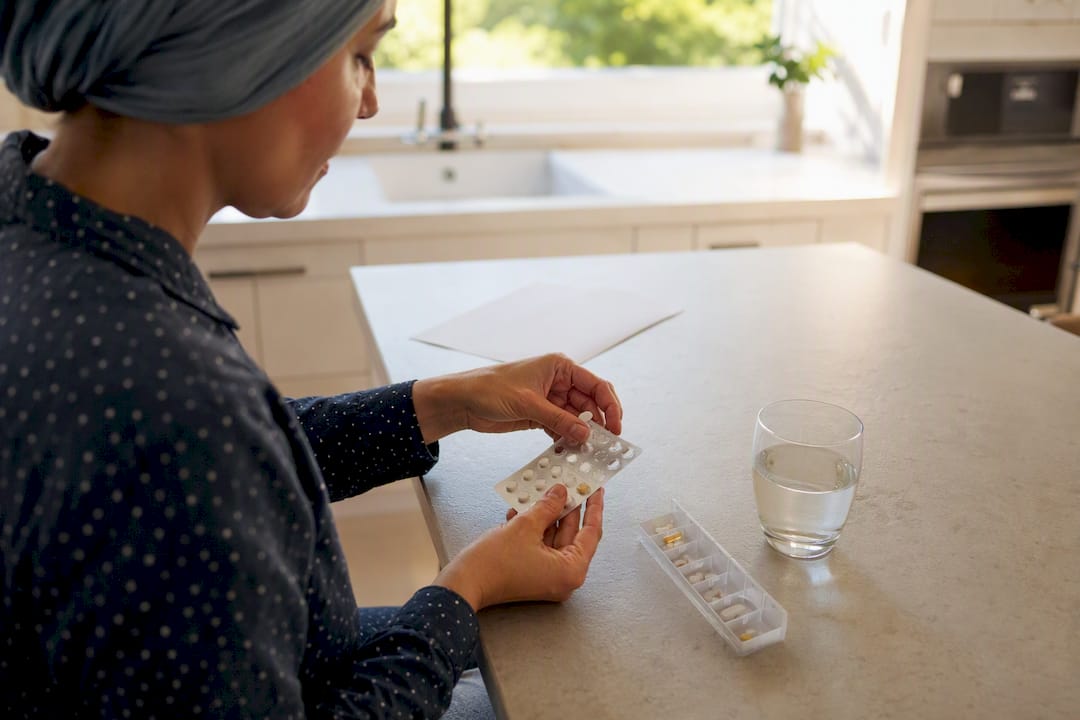
Paracetamol and NSAIDs (like ibuprofen or naproxen) form the backbone of most postoperative regimens, and they work better taken on a fixed schedule than saved for when pain becomes noticeable. Waiting until pain breaks through means you’re playing catch-up, and the dose needed to regain control is often higher than what would have prevented the spike.
- Paracetamol: usually offered both before and after surgery as a baseline analgesic, according to NICE’s perioperative guidance.
- NSAIDs: effective for inflammatory pain but not suitable if you have kidney disease, certain heart conditions, or a history of stomach ulcers. Always flag this with your prescriber.
- Immediate-release opioids: appropriate for short periods after significant surgery, generally a matter of days rather than weeks.
- Prolonged-release opioids: no longer recommended for routine postoperative pain. Gov removing this indication because of the risk of persistent opioid use and breathing problems.
The BNF’s treatment summary on peri-operative analgesia also notes that opioids are usually offered once a patient can eat and drink normally again, with the dose adjusted around functional goals like coughing freely or getting out of bed, not just a pain score on a chart.
Pro Tip: If you’re prescribed opioids, ask your surgical team for a written tapering schedule before you leave hospital, not after. A taper drafted while you’re still groggy on the ward rarely gets followed properly at home.
Opioids typically become unnecessary within the first few days after most procedures. Non-opioid analgesics carry the load for the rest of recovery and support the functional movement that actually speeds healing.
Non-drug methods that reduce pain without medication
Cold and heat aren’t interchangeable, and using the wrong one at the wrong time slows recovery.
- Apply ice for the first 48 to 72 hours to limit swelling, always with a cloth barrier to protect the skin and never directly on an open wound or dressing.
- Switch to heat once swelling has settled, which helps ease muscle stiffness and tension around the surgical site.
- Walk short distances frequently rather than attempting one long walk. Five minutes, several times a day, beats a single twenty-minute slog that leaves you wrecked.
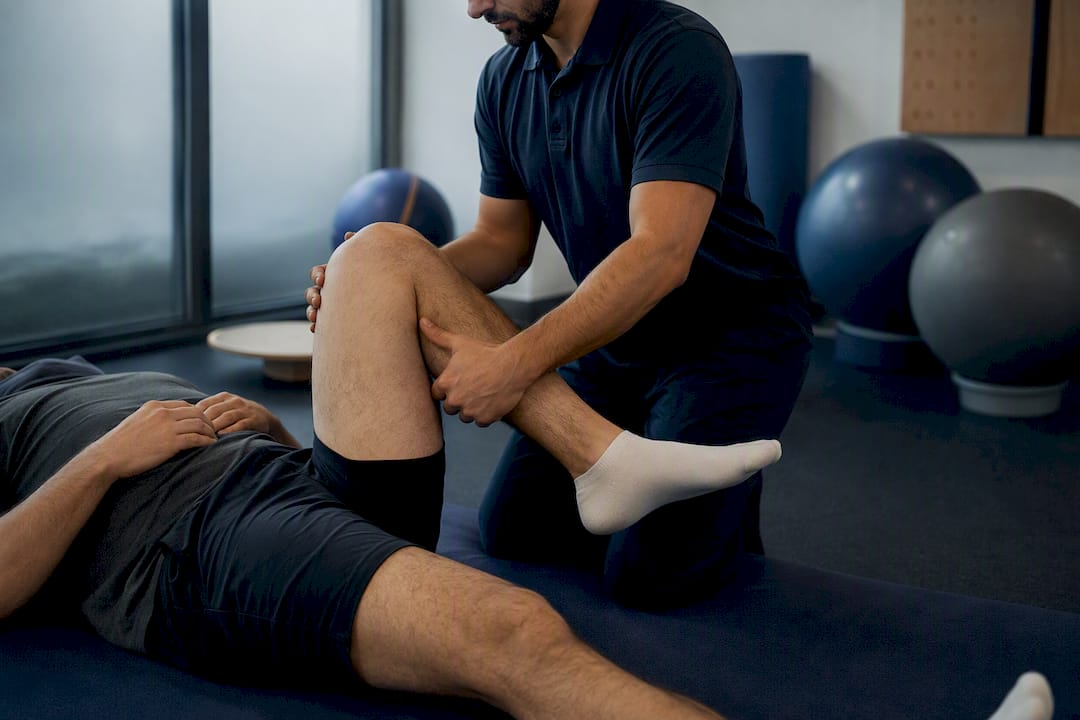
- Follow graded activity guidance from a physiotherapist, who can pace increases in movement against your actual healing, not a generic timeline.
- Practise slow, controlled breathing during flare-ups. It genuinely lowers the perceived intensity of pain by calming the nervous system’s stress response.
- Protect your sleep. Poor sleep amplifies pain sensitivity, so keep a consistent routine even if you’re only managing broken sleep in the first week.
Pro Tip: Pace your activity deliberately. A common mistake is overdoing it on a good day and then paying for it with a painful setback the next. Spread tasks evenly instead of front-loading them.
A physiotherapy-led rehabilitation programme, tailored to the type of surgery you’ve had, tends to produce steadier progress than generic exercise advice picked up online.
Does pain management differ by type of surgery?
Yes, and knowing what’s typical for your specific procedure stops you from either underestimating recovery or panicking unnecessarily.
- Minor outpatient procedures (small skin excisions, minor arthroscopies): pain is usually brief, and paracetamol with an NSAID is often enough without any opioid at all.
- Caesarean section: analgesia needs to account for breastfeeding compatibility and safe positioning while caring for a newborn, with multimodal analgesia supporting earlier mobility.
- Hysterectomy: pelvic discomfort can linger longer than expected, and early physiotherapy input alongside pelvic floor guidance tends to speed functional recovery.
- Orthopaedic and major surgery: expect more intense pain in the first days, and it’s worth discussing regional nerve blocks, patient-controlled analgesia (PCA), or epidural options with your anaesthetist beforehand, alongside a structured physiotherapy plan.
What warning signs mean you should seek urgent review?
Certain symptoms after surgery aren’t part of a normal recovery curve and need prompt medical attention rather than waiting it out.
- Fever, spreading redness, increasing swelling, or pus draining from the wound.
- Any new numbness, weakness, or loss of movement you didn’t have before.
- Breathlessness, chest pain, or a racing heartbeat.
- Pain that keeps worsening despite following your prescribed regimen correctly.
If any of these appear, contact your surgical team directly or use emergency services. Persistent pain that doesn’t follow the expected healing pattern sometimes points to nerve involvement or a complication that needs specialist review rather than simply more painkillers.
How should you plan pain control before and after discharge?
The best time to sort out your pain plan is before you’re admitted, not after you’ve woken up from anaesthetic and everything feels urgent.
- Ask your surgical team what level of pain is typical for your specific operation and what the planned analgesic strategy looks like.
- Ask whether regional techniques, like a nerve block, will be used and what that means for sensation in the first hours afterwards.
- Before leaving hospital, confirm your medicines, exact dosing schedule, and whether an opioid taper applies to you.
- Check safe storage and disposal instructions for any opioids you’re sent home with.
- Get a direct contact number for worsening pain, separate from a general hospital switchboard.
- Arrange physiotherapy or community follow-up in advance rather than waiting to see if you need it.
Pro Tip: Write your discharge analgesic plan on a single page and keep it somewhere visible at home. When pain flares at 2am, you don’t want to be hunting through a folder of hospital paperwork.
Keeping a written aftercare checklist at home turns a vague set of instructions into something you can actually follow under stress.

How does Clinic Group support aftercare and pain planning abroad?
Clinicgroup connects patients with verified clinics across Albania, Austria and the UAE, and part of that verification process includes documenting a clear pre-op analgesic plan alongside written aftercare instructions, so you’re never relying on memory once you’re home.
- We coordinate follow-up appointments and physiotherapy referrals where your recovery calls for them.
- We provide direct contact routes for post-operative questions, rather than leaving you to navigate an unfamiliar healthcare system alone.
- Our step-by-step aftercare guides walk through what recovery monitoring should look like after you return home.
Why pain planning matters more than the procedure itself
The gap between patients who recover smoothly and those who struggle rarely comes down to the surgery. It comes down to whether anyone sat them down beforehand and asked specific questions about pain. Ask about your analgesic plan, your taper, your red flags, before you’re groggy and it’s too late to take proper notes.
— Clinic
Considering treatment abroad? Here’s how Clinic Group helps with aftercare
Clinicgroup gives you something a one-off overseas booking rarely offers: a documented pain-management plan and a real point of contact once you’re back home, not just a discharge leaflet in a language you don’t fully follow. For patients comparing options abroad, including established destinations like Turkey, the difference that matters most is what happens after the operation, not just the price on the consultation. We verify clinics across Albania, Austria and the UAE specifically for their aftercare processes, coordinating physiotherapy referrals and keeping a contact route open for questions once you’re recovering at home. If you’re weighing up plastic surgery abroad or exploring other options, browse our treatments or get in touch for a low-pressure consultation about what a safe pain-management plan should look like for your specific procedure.
Sources
- Perioperative care in adults (NICE)
- Peri-operative analgesia | Treatment summaries | BNF | NICE
- Having an operation (surgery) - After surgery - NHS
- Gov
FAQ
How long does pain last after surgery?
Acute pain usually peaks within 24 to 72 hours and eases significantly within 5 to 7 days for most procedures, though major surgery can extend that timeline.
What is the best way to manage pain after surgery?
A multimodal approach, regular paracetamol plus an NSAID where safe, combined with non-drug measures like ice, movement and physiotherapy, controls pain better than relying on opioids alone.
Are opioids safe to use after surgery?
Immediate-release opioids can be appropriate for short periods when prescribed for moderate-to-severe pain, but prolonged-release opioids are no longer recommended for routine postoperative pain due to safety risks.
When should I worry about pain after surgery?
Seek urgent review if you notice fever, spreading redness or swelling, pus from the wound, new numbness or weakness, breathlessness, or pain that worsens despite following your prescribed plan.
Can Clinicgroup help with pain management if I have surgery abroad?
Yes. Clinicgroup coordinates a documented analgesic plan with verified clinics and arranges follow-up and physiotherapy referrals so you have clear support once you’re home.