TL;DR:
- Reliable dental clinics for Europeans depend on verified credentials, clear communication, and consistent standards. Advanced technology like 3D-guided surgery and in-house labs enable faster, more affordable treatments with longer warranties. Patient reviews and structured aftercare help ensure quality care, especially when choosing for dental tourism.
Dental clinics are defined as regulated healthcare facilities where qualified dentists diagnose, prevent, and treat conditions affecting teeth, gums, and the wider oral cavity. For European patients, the choice of clinic has never been more consequential. Advances in 3D-guided implantology, in-house CAD/CAM laboratories, and same-day fixed restorations mean that the gap between a good clinic and a great one is measurable in both outcomes and cost. Whether you are seeking routine care, cosmetic dentistry, or a full dental tourism package, the criteria for selecting the right provider remain the same: verified credentials, transparent pricing, and patient-centred care from start to finish.
1. What makes a dental clinic reliable for European patients?
Reliability in a dental practice rests on three pillars: verified professional qualifications, clear communication, and consistent clinical standards. A clinic that meets all three gives patients a foundation of trust before treatment even begins.
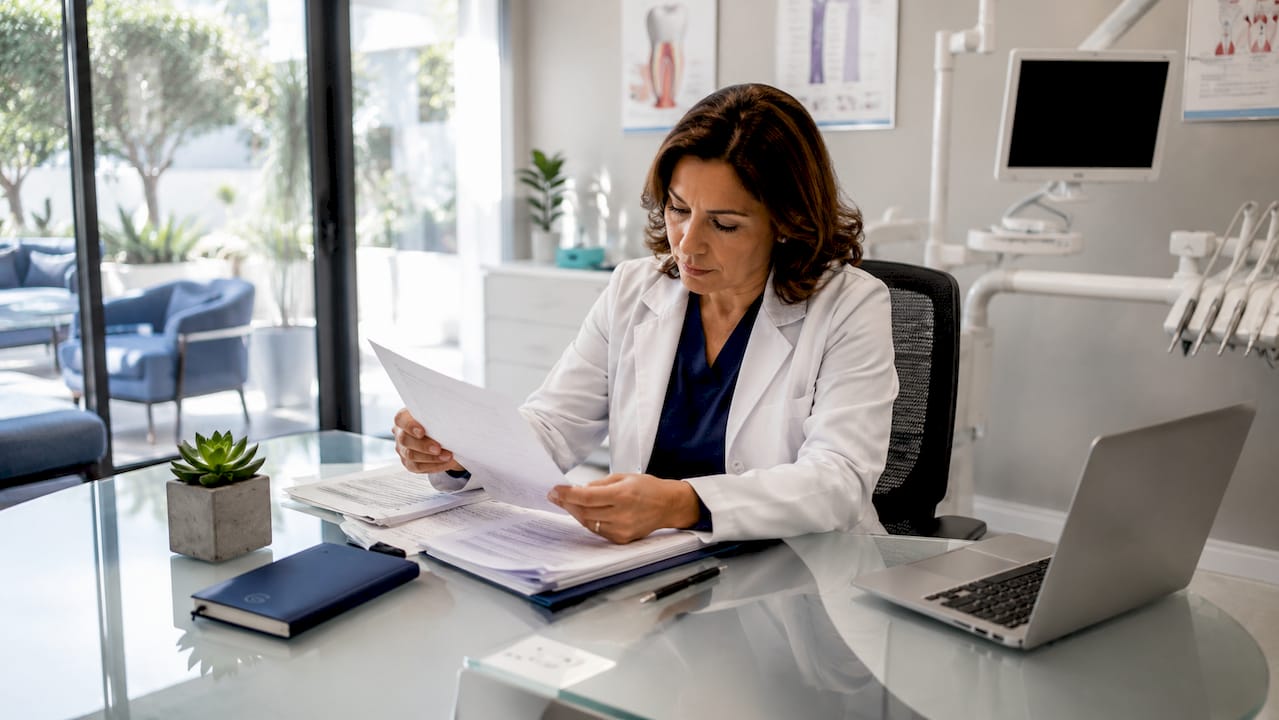
Qualified dentists hold either a DDS (Doctor of Dental Surgery) or DMD (Doctor of Dental Medicine) degree. Verifying credentials and disciplinary histories through national or state board records is a non-negotiable first step. A licence in good standing, combined with evidence of continuing education, signals a practitioner committed to current standards.
Transparent communication is equally defining. Clear discussions about treatment plans, costs, and insurance options are core indicators of quality practice. Patients who receive no-pressure consultations and written cost breakdowns are far better placed to make informed decisions.
2. How does 3D-guided technology change treatment at modern dental offices?
Technology is the single biggest differentiator between traditional and modern dental practices in 2026. Clinics equipped with CBCT (cone beam computed tomography) scanners, 3D surgical guides, and in-house CAD/CAM milling units operate at a fundamentally different level of precision and speed.
Complete fixed-teeth restorations can be performed in as little as 12 hours using 3D-guided surgical technology and in-house CAD/CAM labs. That compresses what was once a 3–6 month implant process into a single clinical visit. For patients travelling from the UK, Italy, or elsewhere in Europe, that reduction in treatment time is a practical game-changer.
Cost savings are equally significant. Patients using dental practices with in-house laboratories save over 30% on dentures and implants compared to traditional outsourced models. In-house prosthetics manufacturing cuts both production costs and waiting times without compromising quality.
Pro Tip: Ask any clinic you are considering whether their laboratory is on-site. An in-house lab means faster turnaround, fewer third-party markups, and direct quality control by the treating team.
Clinics with integrated CAD/CAM labs can also offer same-day fixed restorations backed by written 10-year warranties. That level of guarantee reflects genuine confidence in the materials and processes used.
3. Top features to look for in the best dental services
Not every clinic that markets itself as offering the best dental services actually delivers on that claim. The following features separate genuinely high-quality providers from those relying on marketing alone.
- Verified specialist credentials. Every treating dentist should hold a current DDS or DMD licence. Ask to see it.
- In-house laboratory. On-site prosthetics production reduces costs and shortens timelines. It also means the clinical team controls quality directly.
- Digital imaging technology. CBCT scans and digital X-rays produce more accurate diagnoses than traditional film. They also reduce radiation exposure.
- Written treatment plans with itemised pricing. Transparent pricing is a marker of a trustworthy practice. Avoid any clinic that cannot provide a written cost breakdown before treatment starts.
- Sterilisation protocols. Ask about autoclave sterilisation and single-use instrument policies. These are baseline safety requirements.
- Patient reviews and testimonials. Reading reviews critically and requesting a preliminary consultation or office tour helps assess clinic cleanliness and staff communication before committing.
- Aftercare and warranty policies. Quality clinics provide structured follow-up care and written guarantees on major restorative work.
4. How to choose a dental clinic: a practical checklist
Choosing the right clinic requires more than a quick internet search. The process involves verifying credentials, assessing the consultation experience, and confirming that the clinic’s practical arrangements suit your needs.
Start with qualifications. Dentist credentials including licence status, ongoing education records, and any disciplinary history are publicly accessible through national dental boards in most European countries. Do not skip this step.
Next, assess the consultation itself. A quality practice offers a no-pressure environment where the dentist explains every treatment option clearly. If a clinic pushes you towards the most expensive option without explaining alternatives, treat that as a warning sign. Transparent pricing and respectful communication are key markers of quality dental practices.
Practical factors matter too. Consider the clinic’s location, opening hours, accessibility by public transport, and whether parking is available. For patients with families, confirm whether the practice offers family dentistry options covering children and adults under one roof.
Pro Tip: Request a preliminary consultation before committing to any major treatment. Use it to assess how the team communicates, how clean the facility is, and whether you feel genuinely listened to.
5. What are the best dental clinics for dental tourism in Europe?
Dental tourism is the practice of travelling abroad specifically to receive dental treatment, typically at a lower cost than is available at home. For patients from the UK, Germany, France, and Scandinavia, destinations such as Albania, Hungary, Poland, and Turkey offer verified clinics with European-standard care at significantly reduced prices.
The process follows a structured path. Patients typically begin with a free online consultation, submitting X-rays or photographs to receive a personalised treatment plan within 24 hours. Travel and accommodation are then arranged, often through the clinic’s own coordination service or a platform such as Clinicgroup.
The numbered steps below reflect the standard dental tourism process used by reputable providers:
- Submit an online enquiry. Send photographs, X-rays, or a brief description of your dental needs to the clinic or coordination platform.
- Receive a personalised treatment plan. A qualified dentist reviews your case and provides a written plan with itemised costs, usually within 24 hours.
- Confirm your travel arrangements. Book flights and accommodation. Many verified clinics work with partner hotels to offer discounted rates for patients.
- Attend your clinical appointments. Treatment is delivered over one or more visits, depending on complexity. Same-day procedures are available for many implant and restoration cases.
- Complete aftercare and follow-up. Reputable providers offer remote aftercare consultations and written warranties on restorative work.
For patients concerned about safety, the key safeguard is choosing a clinic with verifiable accreditation and an in-house laboratory. Dental treatment safety abroad depends heavily on the clinic’s sterilisation protocols, the qualifications of its staff, and the quality of materials used.
6. How do dental clinic reviews help patients make better decisions?
Patient reviews are one of the most reliable tools available when evaluating local dental offices or clinics abroad. They reveal patterns that credentials alone cannot show: how staff handle anxious patients, whether waiting times are consistently long, and how the team responds when something goes wrong.
Reading reviews critically means looking beyond the star rating. Pay attention to reviews that describe specific treatments, mention named staff members, and detail the aftercare experience. Generic five-star reviews with no clinical detail carry less weight than a thoughtful account of a full implant procedure.
Out-of-network providers may offer specialised treatments unavailable through in-network clinics, but at higher out-of-pocket costs. Reviews help patients judge whether that premium is justified by the quality of care delivered.
7. Emergency dental treatment: what to do when you need urgent care
Emergency dental treatment covers acute pain, broken teeth, lost crowns, abscesses, and trauma. Knowing how to access urgent care before an emergency arises is the most effective preparation a patient can make.
Early proactive consultation is the single most effective way to avoid rushed decisions during dental emergencies. Patients who already have a relationship with a trusted clinic, and who know its out-of-hours contact details, are far better placed than those searching for care in pain.
For patients abroad, the dental tourism coordination model provides a clear advantage. Clinicgroup and similar platforms maintain direct contact with their clinic networks, meaning that patients experiencing complications after treatment can access support quickly and without navigating an unfamiliar healthcare system alone.
Pro Tip: Before travelling abroad for treatment, confirm the clinic’s emergency contact protocol and aftercare policy in writing. A reputable provider will have a clear process for managing post-treatment complications remotely.
Key takeaways
The best dental clinics combine verified credentials, in-house technology, transparent pricing, and structured aftercare to deliver reliable outcomes for European patients.
| Point | Details |
|---|---|
| Verify credentials first | Check DDS or DMD licence status and disciplinary records before booking any treatment. |
| In-house labs reduce costs | Clinics with on-site laboratories save patients over 30% on implants and dentures. |
| Technology speeds treatment | 3D-guided surgery and CAD/CAM labs compress implant timelines to a single day. |
| Reviews reveal real quality | Read detailed patient accounts, not just star ratings, to assess genuine care standards. |
| Dental tourism requires structure | A reliable process covers consultation, travel, treatment, and written aftercare guarantees. |
Clinicgroup’s perspective on choosing the right dental clinic
The most common mistake patients make is waiting until they are in pain before they start researching their options. By that point, the decision is driven by urgency rather than judgement. The clinics that consistently deliver the best outcomes are not necessarily the most expensive or the most prominently advertised. They are the ones that communicate clearly, price transparently, and treat patients as partners in their own care.
What I have observed across the Clinicgroup network is that the clinics patients trust most share one defining quality: they never rush the consultation. A dentist who takes time to explain why a particular treatment is recommended, what the alternatives are, and what the realistic recovery looks like is a dentist worth returning to.
Technology matters, but it is a means to an end. CBCT scanning and in-house CAD/CAM milling are valuable because they improve accuracy and reduce waiting times. They are not marketing features. Patients should ask specifically how a clinic’s technology benefits their individual case, not just whether the equipment exists.
The future of dental care for European patients lies in the combination of verified clinical standards and accessible coordination. Platforms that connect patients with trusted dental implant providers abroad, while managing travel and aftercare, remove the barriers that have historically made quality dentistry inaccessible for many. That shift is already well underway.
— Clinic
How Clinicgroup connects you with verified dental clinics
Clinicgroup operates a verified network of dental clinics across Europe and the Middle East, connecting patients with board-certified specialists for treatments including dental implants, crowns, veneers, and orthodontics. Every clinic in the network is assessed for accreditation, staff qualifications, and clinical standards before being listed. Patients receive a personalised treatment plan, full travel and accommodation coordination through partner hotels, and structured aftercare support. Pricing is transparent and provided in writing before any commitment is made. Whether you are seeking affordable dental care close to home or a full dental tourism package, Clinicgroup’s full treatments directory gives you a clear starting point for finding the right provider.
FAQ
What qualifications should a dentist at a dental clinic hold?
Dentists should hold an active DDS or DMD degree and a current licence from the relevant national dental board. Verifying licence status and checking for any disciplinary history is a recommended step before booking treatment.
How much can patients save with dental tourism?
Patients using clinics with in-house laboratories save over 30% on implants and dentures compared to outsourced models. Savings across dental tourism destinations in Eastern Europe and the Middle East are typically significant relative to UK or Western European prices.
How do I evaluate dental clinic reviews effectively?
Look for detailed reviews that describe specific treatments, name staff members, and cover the aftercare experience. Star ratings alone are insufficient. A critical review of dental feedback reveals patterns that credentials cannot.
What is the process for dental tourism through a coordination platform?
The standard process covers an online consultation, a personalised written treatment plan, travel and accommodation arrangements, clinical treatment, and remote aftercare. Reputable platforms such as Clinicgroup manage each stage and maintain direct contact with the treating clinic throughout.
Can same-day dental implants be trusted?
Same-day fixed restorations using 3D-guided surgery and CAD/CAM technology are a clinically established procedure at accredited clinics. The key assurance is a written warranty, typically covering 10 years, which reputable providers offer as standard.