TL;DR:
- Teeth straightening options in the UK include fixed braces, clear aligners, and lingual braces, each with different costs and visibility. NHS treatment is mainly for children, leaving most adults to pay privately, with prices varying by method and complexity. A professional assessment is essential to choose the right treatment based on clinical needs, budget, and lifestyle.
Teeth straightening, known clinically as orthodontic treatment, is the process of aligning teeth and correcting bite issues to improve both function and appearance. The right option depends on the severity of misalignment, your lifestyle, and your budget. NHS orthodontic treatment is almost exclusively available to children under 18 who meet strict clinical criteria, meaning most adults in the UK pursue private care. With private orthodontic treatment options ranging from traditional metal braces to nearly invisible clear aligners, a professional assessment by a GDC-registered clinician is the essential first step before committing to any method.
1. What are the main teeth straightening options available in the UK?
The four primary orthodontic treatment types are metal fixed braces, ceramic braces, lingual braces, and clear aligners. Each works differently, suits different cases, and carries a different cost and visibility profile.
- Metal braces: The most established teeth alignment method. Stainless steel brackets bond to the front of teeth and connect via a wire that the clinician adjusts over time. They are the most affordable fixed option and effective for complex cases including severe crowding and significant bite corrections. The main drawback is visibility.
- Ceramic braces: Work identically to metal braces but use tooth-coloured or clear brackets. They are far less noticeable and popular with adults who want a fixed appliance without the metallic appearance. They carry a cost premium over metal.
- Lingual braces: Fitted to the back surfaces of teeth, making them completely invisible from the front. Lingual braces require specialist fitting and are the most expensive fixed option. Speech adaptation can take several weeks after application.
- Clear aligners: A series of removable, custom-moulded plastic trays that progressively shift teeth. They are nearly invisible and suit mild to moderate misalignment. Treatment planning expertise matters more than brand recognition here. As one clinical resource notes, clinician expertise in planning determines outcomes far more than the aligner brand itself.
- Self-ligating braces: A variation on fixed braces that uses a built-in clip mechanism instead of elastic ties. They may reduce friction and require fewer adjustment visits, though clinical evidence on speed advantages remains mixed.
Pro Tip: If you are considering clear aligners as an invisible braces alternative, ask your clinician specifically about their aligner treatment planning experience, not just the brand they stock.
2. How do costs and NHS eligibility affect your choice?
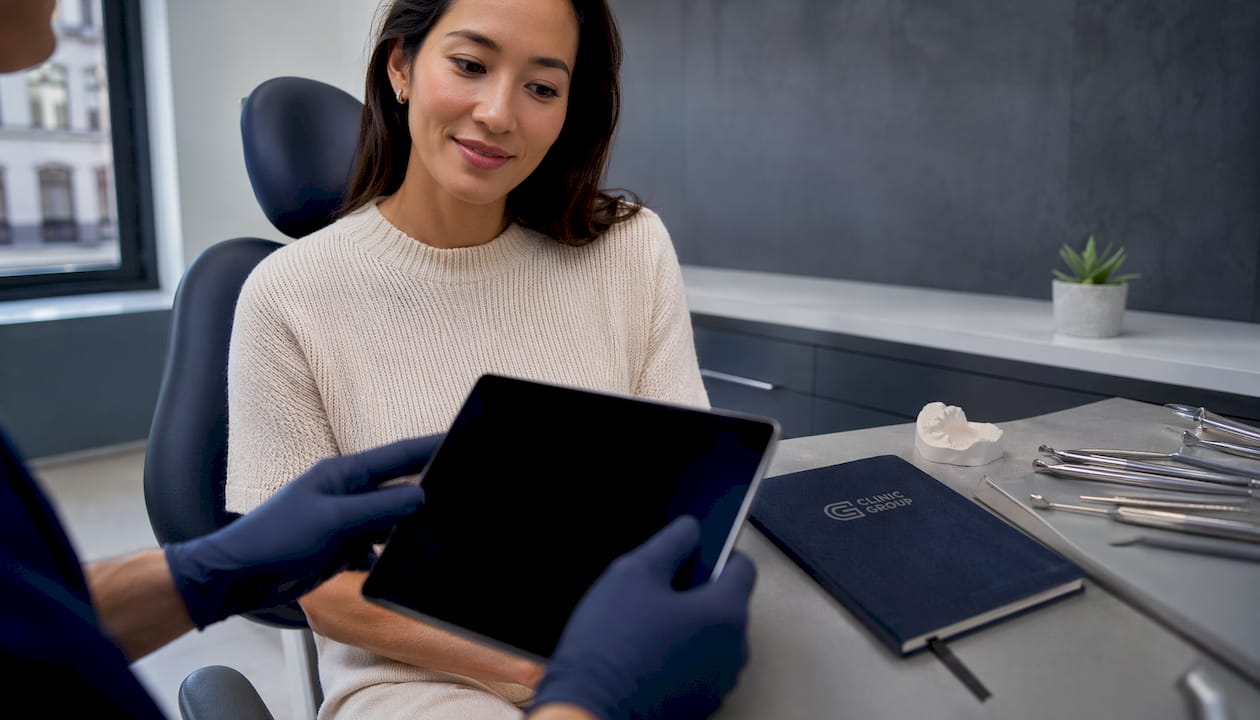
NHS orthodontic treatment in the UK is almost exclusively for children under 18 who meet the Index of Orthodontic Treatment Need (IOTN) score of 3.6 or above. Adults rarely qualify, which means the cost of teeth straightening falls entirely on the patient in most cases.
Private treatment costs vary considerably by appliance type, case complexity, clinician experience, and location. The table below outlines typical UK private price ranges.
| Treatment type | Typical UK private cost | Best suited for |
|---|---|---|
| Metal braces | £1,500–£5,000 | Complex crowding and bite issues |
| Ceramic braces | £2,000–£6,500 | Adults wanting a discreet fixed option |
| Lingual braces | £4,000–£10,000 | Patients requiring full invisibility |
| Clear aligners | £1,500–£5,500 | Mild to moderate misalignment |
Treatment costs reflect case complexity, clinician expertise, and geographic location. London and major city practices typically charge at the higher end of each range. Finance arrangements are widely available through private practices, whereas NHS treatment carries no structured payment plan.
Pro Tip: When comparing private quotes, ask for a written breakdown that separates the clinical fee, retainer cost, and any follow-up appointment charges. Hidden extras are common.
Private orthodontics also offers faster access and a wider range of discreet options compared with NHS pathways. For adults who want to explore dental treatment abroad as a cost-effective alternative, verified international clinics can offer significant savings on the same appliance types.
3. What does a professional orthodontic assessment involve?
A thorough clinical assessment is the foundation of any successful orthodontic outcome. Skipping or rushing this stage is the most common reason patients end up in the wrong treatment.
A GDC-registered clinician will typically carry out the following during an orthodontic consultation:
- Jaw and bite analysis: Assessing how upper and lower teeth meet, identifying overbite, underbite, crossbite, or open bite issues.
- Tooth alignment review: Measuring crowding, spacing, and rotation of individual teeth.
- Gum health check: Active gum disease must be treated before orthodontic work begins.
- X-rays and digital scans: Providing a precise picture of root positions, bone levels, and jaw structure.
- Treatment plan discussion: The General Dental Council requires clinicians to explain all suitable options, expected outcomes, and risks before obtaining valid consent.
- Retention planning: A responsible clinician will discuss retainers at the assessment stage, not as an afterthought at the end of treatment.
No single best teeth-straightening treatment exists. Personalised professional guidance is vital to match clinical needs with the right appliance. Ask for transparent pricing and confirm whether the quoted fee includes retainers and follow-up appointments before you commit.
4. How long does teeth straightening take?
Treatment duration varies widely and depends on case complexity, not just the appliance chosen. Some mild cases resolve in six months, while complex corrections can take over 24 months regardless of the method used.
Typical duration ranges by appliance type are as follows:
- Metal and ceramic fixed braces: 12–30 months, sometimes longer for severe cases.
- Lingual braces: 18–36 months, partly because adjustments are more technically demanding.
- Clear aligners: 6–18 months for mild to moderate cases, though complex cases take longer.
These are clinical estimates, not guarantees. A patient with moderate crowding treated with clear aligners may finish in 12 months. The same patient treated with fixed braces for a more complex bite correction may take 24 months. Duration is always case-specific.
5. How does compliance affect the outcome?
Compliance is the single biggest variable in orthodontic success, particularly for removable appliances. Clear aligners require 20–22 hours of daily wear to move teeth on schedule. Wearing them only at night or removing them for social occasions significantly extends treatment time and may compromise the final result.
Fixed braces remove the compliance variable during active treatment because they work continuously. However, they require dietary adjustments. Hard, sticky, and chewy foods can damage brackets or wires, leading to emergency appointments and treatment delays.
Patient lifestyle compliance dictates suitability as much as clinical factors. A patient who travels frequently for work and cannot attend regular adjustment appointments may find clear aligners more practical. A patient who knows they will not wear a removable device consistently is better served by fixed braces.
Retention after active treatment is non-negotiable for all methods. Patients commonly underestimate the importance of wearing retainers long term. Orthodontists are clear: retainers must be worn indefinitely, typically every night, to prevent teeth from drifting back to their original positions.
6. What practical steps help you choose the right method?
Choosing the right teeth alignment method comes down to four factors: case complexity, budget, appearance preferences, and lifestyle. Here is a practical framework for working through each.
- Assess your case complexity first. Severe crowding, significant bite issues, or rotated teeth almost always require fixed braces. Clear aligners and other invisible braces alternatives are best suited to mild or moderate misalignment. Only a clinician can confirm this after examination.
- Set a realistic budget. Metal braces are the most affordable fixed option. Lingual braces are the most costly. If UK private fees are prohibitive, verified clinics abroad can offer the same treatment types at substantially lower cost while maintaining European clinical standards.
- Consider visibility honestly. If discretion matters at work or socially, lingual braces or clear aligners are the appropriate invisible braces alternatives. Ceramic braces offer a middle ground for patients who want a fixed appliance with less visual impact.
- Match the method to your lifestyle. Patients who play contact sports, give frequent public presentations, or travel extensively have different practical needs. Clear aligners can be removed for sports or speeches. Fixed braces cannot.
- Seek an in-person consultation before deciding. Online assessments and postal aligner kits cannot replace a clinical examination. Adult orthodontic treatment requires a full assessment of jaw structure, gum health, and bite before any treatment plan is valid.
Pro Tip: Bring a list of questions to your consultation. Ask specifically about retention, what happens if a bracket breaks, and whether the quoted fee covers the full course of treatment including retainers.
Key takeaways
The best orthodontic treatment option is always the one that matches your specific clinical needs, lifestyle, and budget, confirmed by a qualified professional assessment.
| Point | Details |
|---|---|
| NHS access is limited for adults | Most adults fund orthodontic treatment privately; NHS criteria favour under-18s with clinical need. |
| Costs vary significantly by type | Metal braces start at £1,500; lingual braces can reach £10,000 depending on complexity and location. |
| Compliance determines outcomes | Clear aligners require 20–22 hours of daily wear; fixed braces work continuously but restrict diet. |
| Assessment before commitment | A GDC-registered clinician must evaluate jaw, bite, and gum health before any treatment plan is valid. |
| Retainers are permanent aftercare | Teeth drift without retainers; indefinite nightly wear is the standard recommendation after active treatment. |
My view on choosing orthodontic treatment wisely
Patients often come to Clinicgroup having already decided on a treatment before they have had a proper assessment. They have seen an advert for clear aligners or read about lingual braces and arrived at a conclusion before a clinician has examined their teeth. That approach consistently leads to disappointment.
Orthodontics corrects function as well as appearance. A misaligned bite causes uneven wear, jaw strain, and in some cases, long-term joint problems. The cosmetic result matters, but it should not be the only consideration driving the decision.
The compliance question is also underestimated. I have seen patients who are genuinely unsuited to removable aligners because their lifestyle or discipline will not support 20–22 hours of daily wear. For those patients, fixed braces are not a compromise. They are the right clinical choice.
Retainer wear is where most patients fall short after treatment ends. The teeth will move without them. This is not a warning, it is a clinical fact. Patients who invest months in orthodontic treatment and then abandon their retainers within a year undo a significant portion of that work.
For patients considering orthodontic preparation abroad, the same standards apply. Verified clinics with board-certified specialists, transparent treatment plans, and clear aftercare protocols deliver results equivalent to UK private care at a fraction of the cost. The key is choosing the right clinic, not just the right country.
— Clinic
Orthodontic care abroad with Clinicgroup
Clinicgroup connects patients with verified dental clinics in Albania and Dubai, where board-certified orthodontists provide the full range of teeth straightening treatments at significantly lower cost than UK private fees. Every clinic in the network meets European standards of care, with transparent pricing and no hidden charges. Clinicgroup handles clinic matching, travel logistics, partner hotel arrangements, and aftercare coordination, so patients focus on treatment rather than administration. Whether you are considering fixed braces, ceramic appliances, or clear aligners, you can explore your dental treatment options through Clinicgroup and receive a clear, personalised treatment plan from a specialist before travelling.
FAQ
What is the cheapest teeth straightening option in the UK?
Metal braces are the most affordable private option, with costs typically starting at £1,500. NHS treatment is free for eligible patients but is almost exclusively available to children under 18 who meet the IOTN clinical threshold.
Are clear aligners as effective as fixed braces?
Clear aligners are effective for mild to moderate misalignment but fixed braces remain the preferred method for severe crowding and complex bite corrections. Clinician expertise in treatment planning is the most important factor in aligner outcomes.
How long do you have to wear a retainer after braces?
Retainers should be worn indefinitely after active orthodontic treatment ends, typically every night. Teeth will drift back toward their original positions without consistent retainer use.
Can adults get braces on the NHS?
NHS orthodontic treatment is almost exclusively for children under 18 who meet the IOTN score of 3.6 or above. Adults rarely qualify and typically fund treatment privately.
What is the most discreet teeth straightening method?
Lingual braces are the most discreet fixed option because they attach to the back surfaces of teeth and are invisible from the front. Clear aligners are the most discreet removable option for mild to moderate cases.