TL;DR:
- Medical treatments like minoxidil and hair transplants effectively target the root causes of hair loss. Natural remedies such as rosemary oil can offer comparable benefits for early-stage thinning. Consistent care, proper treatment matching, and professional guidance are essential for optimal hair health results.
Hair treatments are defined as any medical, natural, or cosmetic intervention designed to repair damaged hair, stimulate growth, or restore scalp health. The category spans clinically proven therapies like minoxidil and FUE hair transplants, evidence-based natural remedies such as rosemary oil, and over-the-counter products including bond-building masks and deep conditioning treatments. Whether you are managing androgenetic alopecia, chemical damage, or general thinning, understanding which treatment matches your condition is the most important step you can take.
What medical hair treatments are available and how do they work?
Medical hair treatments are the most clinically validated options for patients experiencing significant hair loss. They work by targeting the biological causes of thinning rather than simply improving hair appearance.
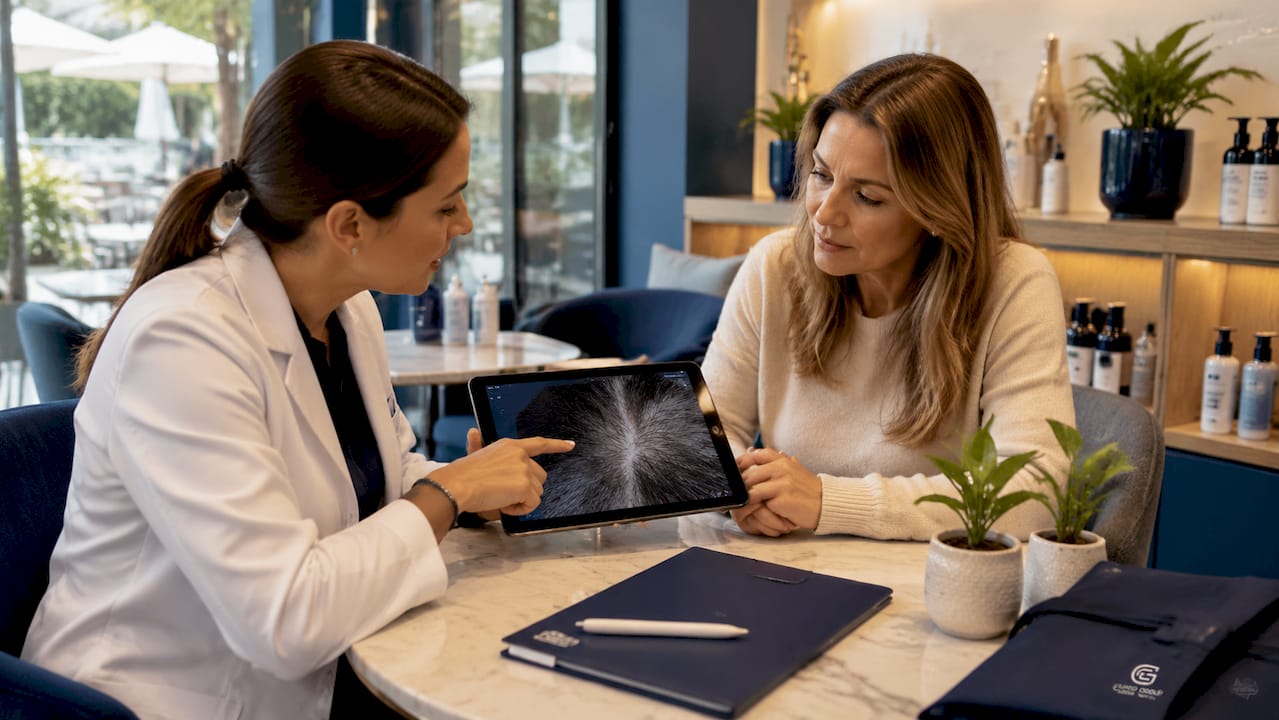
Topical minoxidil is the gold standard first-line treatment for androgenetic alopecia. It works by prolonging the anagen (growth) phase of the hair cycle and increasing blood flow to follicles. Visible results take 3–6 months of twice-daily application, and stopping treatment reverses any gains because minoxidil manages the condition rather than curing it. Patients should set realistic expectations from the outset.
Hair transplant procedures, specifically Follicular Unit Extraction (FUE) and Direct Hair Implantation (DHI), represent the most permanent medical option. FUE involves extracting individual follicular units from a donor area and implanting them into thinning zones. DHI uses a specialised implanter pen for more precise placement and faster healing. Both techniques require a qualified surgeon and a thorough pre-operative consultation to assess donor density and scalp condition.
Professional in-clinic treatments also include peptide bond repair therapies. Products like the K18 Biomimetic Hairscience mask work by reconnecting broken polypeptide chains within the hair shaft. These are typically applied in a salon or clinic setting and deliver measurable improvements in tensile strength after a single session.
- Minoxidil: Apply twice daily; results appear after 3–6 months; continued use is required to maintain benefit.
- FUE transplant: Permanent solution for pattern baldness; requires healthy donor hair; recovery takes 7–14 days.
- DHI transplant: Greater placement control than FUE; suitable for patients wanting higher density; slightly longer procedure time.
- PRP therapy: Platelet-rich plasma injections stimulate dormant follicles; typically three sessions spaced four weeks apart.
- K18 and peptide repair: Repairs internal hair structure; best for chemically or heat-damaged hair rather than hair loss.
Pro Tip: If you are considering a hair transplant, request a trichoscopy assessment beforehand. This scalp imaging technique helps surgeons map follicle density accurately and plan graft numbers with confidence.
How can natural hair treatments support hair health and growth?
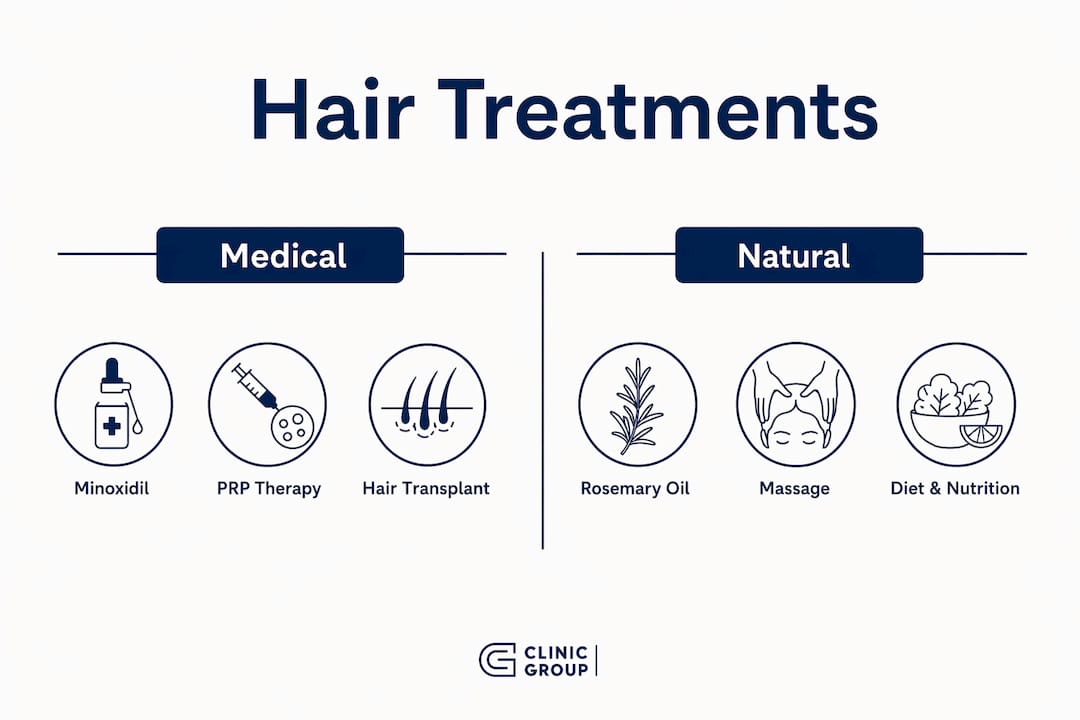
Natural hair treatments are not simply a gentler alternative to medical options. For certain conditions, they are clinically comparable. Rosemary oil matches minoxidil in increasing hair count over six months for patients with androgenetic alopecia. That finding has shifted how many trichologists approach early-stage thinning.
Polyherbal formulations containing amla, shikakai, and brahmi offer a well-evidenced natural approach to scalp health. These blends provide synergistic cleansing and nourishing benefits with fewer side effects than synthetic alternatives, making them particularly suitable for patients with sensitive scalps. Amla is rich in vitamin C and antioxidants, shikakai acts as a gentle cleanser, and brahmi supports follicle strength.
Hair oiling with nutrient-rich oils is one of the oldest and most practical forms of scalp treatment for hair. Coconut oil penetrates the hair shaft to reduce protein loss. Jojoba oil closely mimics the scalp’s natural sebum and regulates oil production. Argan oil adds surface protection and reduces breakage from heat styling. Each oil serves a different purpose, so matching the oil to your hair type matters.
- Rosemary oil: Apply diluted in a carrier oil twice weekly; massage into scalp for five minutes; leave for at least 30 minutes before washing.
- Amla, shikakai, and brahmi blends: Use as a pre-wash scalp mask once a week; particularly effective for oily or sensitive scalps.
- Coconut oil: Best for dry, porous, or chemically treated hair; apply to lengths and ends rather than the scalp to avoid buildup.
- Argan oil: Use as a finishing oil on damp hair; protects against heat up to 230°C.
Pro Tip: Dilute rosemary essential oil to a 2% concentration in a carrier oil like jojoba before applying to the scalp. Undiluted essential oils can cause contact dermatitis, particularly on a sensitive or already-irritated scalp.
What over-the-counter treatments can repair and strengthen damaged hair?
Over-the-counter hair repair treatments fall into three distinct categories: conditioning treatments, deep conditioning treatments, and protein treatments. Patients often confuse these, which leads to either under-treating or overloading the hair.
Conditioning treatments coat the outer cuticle layer to reduce friction and add temporary softness. They do not penetrate the cortex or repair internal bonds. Deep conditioning treatments contain larger quantities of emollients and humectants that penetrate further, restoring moisture to the cortex over a longer contact time, typically 20–30 minutes. Protein treatments go further still, depositing hydrolysed proteins into gaps in the hair shaft to rebuild structural integrity.
Bond-building products such as Olaplex No.3 and Redken Acidic Bonding Concentrate work by repairing disulphide bonds broken during chemical processing. Bond-building treatments strengthen damaged strands but cannot permanently repair severe split ends or physically severed fibres. Trimming remains the only solution for split ends. High-performance protein treatments can reduce breakage by up to 60% and double strand strength after a single use.
| Treatment type | Primary benefit | Frequency | Best for |
|---|---|---|---|
| Conditioner | Surface smoothing | After every wash | All hair types |
| Deep conditioner | Moisture restoration | Once or twice weekly | Dry or colour-treated hair |
| Protein treatment | Structural repair | Once every 4–6 weeks | Chemically processed or brittle hair |
| Bond builder (e.g. Olaplex) | Disulphide bond repair | Weekly or post-chemical service | Bleached or heat-damaged hair |
| Keratin smoothing | Frizz reduction, shine | Every 3–5 months | Coarse, frizzy, or unruly hair |
Protein overload causes hair to become stiff and brittle, so alternating protein treatments with moisture-focused deep conditioners is the correct approach. A balanced routine preserves both structure and elasticity.
Pro Tip: Do a simple elasticity test before choosing between a protein or moisture treatment. Wet a single strand and stretch it gently. If it snaps immediately, it needs protein. If it stretches but does not return to its original length, it needs moisture.
How to choose the right hair treatment based on your condition and goals
Choosing the correct treatment starts with identifying the root cause of your hair concern. Hair loss and hair damage are different conditions requiring different approaches, and conflating them leads to wasted time and money.
-
Identify the cause first. Hair loss from androgenetic alopecia responds to minoxidil, rosemary oil, or transplant procedures. Hair loss from nutritional deficiency responds to dietary correction, particularly increased protein and iron intake. Combining topical treatments with dietary adjustments consistently produces better outcomes than topical treatment alone.
-
Match the treatment to your hair type. Fine hair is easily weighed down by heavy oils and thick protein masks. Use lightweight leave-in conditioners and diluted protein treatments. Coarse or chemically treated hair tolerates richer formulations and benefits from regular deep conditioning treatments and bond-building products.
-
Integrate medical and cosmetic options safely. Patients using minoxidil can also use deep conditioning treatments and scalp oils without interference. Avoid applying heavy oils directly over minoxidil, as this may reduce absorption. Space applications by at least two hours.
-
Consult a specialist before committing to a medical procedure. A board-certified trichologist or hair transplant surgeon will assess your scalp, review your medical history, and recommend the most appropriate course of action. Clinicgroup connects patients with verified hair treatment clinics across Albania and Dubai, where consultations are thorough and transparent.
-
Plan for aftercare from the start. Post-transplant care, including gentle washing protocols, avoiding direct sun exposure, and using prescribed topical treatments, directly affects the success of the procedure. Aftercare is not optional; it is part of the treatment.
What does hair treatment maintenance and realistic outcomes involve?
Consistency is the single most important factor in any hair treatment plan. Patients who stop treatment early rarely see the results they expected, and many attribute failure to the treatment rather than to inconsistent use.
Minoxidil requires 3–6 months of consistent use before visible improvement appears. Stopping treatment reverses those improvements because the product manages the hair cycle rather than permanently altering it. The same principle applies to rosemary oil and PRP therapy: the benefit is cumulative and requires ongoing commitment.
- Medical treatments: Use as directed without interruption; set a calendar reminder to track progress at three and six months.
- Protein and bond-building treatments: Limit to once every 4–6 weeks; overuse causes protein overload and brittleness.
- Deep conditioning treatments: Use once or twice weekly; treatments used more than recommended cause buildup and reduce efficacy over time.
- Regular trims: Trim every 8–12 weeks to remove split ends that bond-building products cannot repair.
- Gentle styling: Reduce heat tool use to three times per week maximum; use a heat protectant at every session.
Recognising the limits of each treatment is equally important. Bond-building products repair intact but damaged strands. They cannot regenerate hair that has already been shed or restore follicles that are permanently inactive. For permanent hair loss, a transplant consultation is the appropriate next step.
Key takeaways
The most effective approach to hair treatments combines a correctly identified cause, a matched treatment protocol, and consistent long-term use across medical, natural, and cosmetic options.
| Point | Details |
|---|---|
| Medical treatments require patience | Minoxidil and PRP take 3–6 months to show visible results; stopping treatment reverses progress. |
| Natural remedies have clinical backing | Rosemary oil matches minoxidil for hair count improvement over six months in androgenetic alopecia. |
| Protein and moisture must be balanced | Overusing protein treatments causes brittleness; alternate with deep conditioning treatments every 4–6 weeks. |
| Bond builders have clear limits | Products like Olaplex repair internal bonds but cannot fix split ends or regrow shed hair. |
| Cause identification comes first | Matching the treatment to the correct cause, whether loss, damage, or deficiency, determines whether it works. |
Clinicgroup’s perspective on building a treatment plan that actually works
Patients who come to us after years of trying products on their own share a common frustration: they were treating the symptom rather than the cause. A patient using deep conditioning treatments for thinning hair caused by androgenetic alopecia will see no meaningful improvement, because conditioning does not address follicle miniaturisation. The diagnosis has to come before the product.
What I have seen consistently across our clinic network is that the patients who achieve the best outcomes are those who combine a medically supervised plan with realistic expectations and proper aftercare. A hair transplant performed by a board-certified surgeon in a verified clinic is a significant investment, but it delivers permanent results when the patient follows the post-procedure protocol. Patients who skip aftercare or return to aggressive styling too soon undermine the procedure’s success.
The other pattern worth noting is that patients often underestimate natural treatments. Rosemary oil, applied consistently and correctly, is a genuinely effective option for early-stage androgenetic alopecia. It is not a substitute for a transplant in advanced cases, but for patients who are not yet candidates for surgery, it buys meaningful time and real improvement.
Travelling abroad for a hair transplant or advanced restoration treatment is a practical and well-supported option for UK patients. Clinicgroup’s verified clinics in Albania and Dubai offer FUE and DHI procedures at a fraction of UK costs, with the same European standards of care. The patient journey includes clinic matching, travel and accommodation coordination, and structured aftercare. You are not navigating this alone.
— Clinic
How Clinicgroup supports patients seeking trusted hair care abroad
Clinicgroup connects patients from the UK and across Europe with verified clinics offering a full range of hair restoration treatments, from FUE and DHI transplants to PRP therapy and medical-grade scalp treatments. Every clinic in the network is assessed for safety standards, surgeon credentials, and patient outcomes. Transparent pricing means you know the full cost before you travel, with no hidden fees. The team coordinates travel logistics, partner hotel accommodation, and post-procedure aftercare, so the process is straightforward from first consultation to recovery. If you are considering a hair transplant or want a professional assessment of your options, Clinicgroup provides the guidance and verified access to make that possible. You can also explore advanced hair restoration techniques including regenerative approaches at partner clinics.
FAQ
What are hair treatments and what do they include?
Hair treatments are medical, natural, or cosmetic interventions designed to repair damage, stimulate growth, or restore scalp health. They include topical products like minoxidil, surgical procedures like FUE transplants, natural remedies like rosemary oil, and cosmetic treatments like bond-building masks.
How long does it take to see results from hair treatments?
Medical treatments such as minoxidil typically require 3–6 months of consistent use before visible results appear. Natural options like rosemary oil show comparable hair count improvements over the same six-month period.
Can natural hair treatments replace medical ones?
For early-stage androgenetic alopecia, rosemary oil matches minoxidil in clinical studies for hair count improvement. For advanced hair loss or permanent follicle damage, medical procedures such as FUE transplants are the appropriate option.
What is the difference between a conditioner and a deep conditioning treatment?
A conditioner coats the outer cuticle for temporary smoothness and is used after every wash. A deep conditioning treatment penetrates the cortex to restore moisture and is used once or twice weekly for dry or damaged hair.
Is protein treatment safe to use regularly?
Protein treatments are safe when used every 4–6 weeks and alternated with moisture-focused deep conditioners. Overuse causes protein overload, making hair stiff, brittle, and prone to breakage.